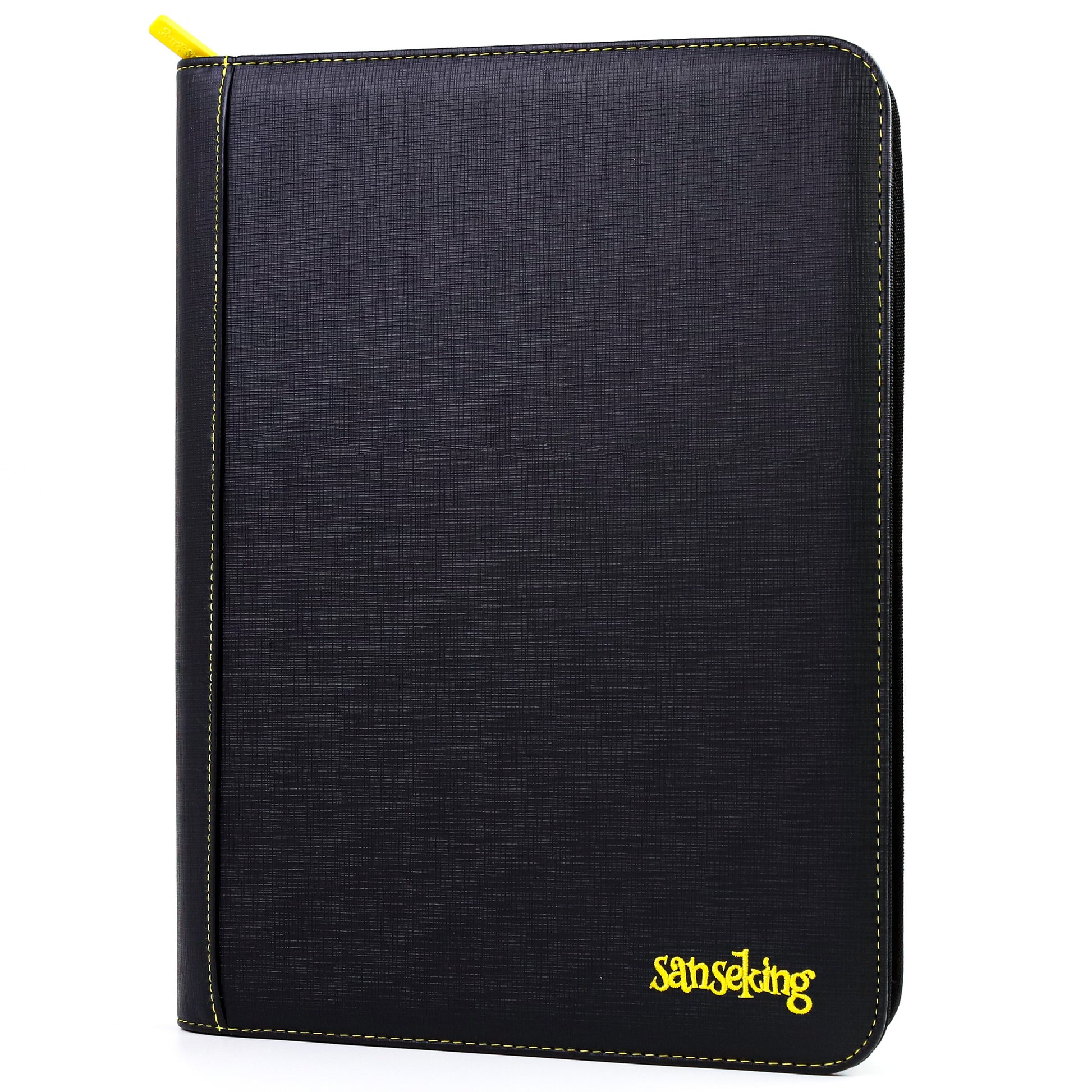
高品質のカードバインダーが何をすべきかをリディファインする方法

 カードバインダー市場は標準を持っています。これは、PUシェル、クリアポケット、ジッパークロージャ、完了のようなものになります。ブランド名をスラップし、それを出荷します。
そのため、標準はバインドアが数ヶ月後に警戒する理由です。 なぜページが曇りになり、袖に固執する。 なぜジッパーは、キャッチして、カバーが自分の形状を失う。 それはより良いことを行うのは難しいので、誰もデフォルトが実際に良いかどうか尋ねるのを止めていないので。
そこで、ブラックグリッドバインダーは、その質問に正しく答えることにした時に起きたものです。
私たちが作ったすべての決定、そしてなぜ我々 が作ったのかをここに示します。
シェル:業界はあなたに2つの層を与えます。 私たちは6を建てました。
標準的なバインダーカバーは、単一のボードの上に薄いPUレザーです。それは棚の上にその形状を保持しています。バッグに入れ、それを積み重ねてトーナメントに運びます。数か月以内に、弓、曲がり始め、そのフォームを失います。
6つの異なるレイヤーでブラックグリッドバインダーシェルをビルドしました。
ワッフルテクスチャ PU レザー外側に — このバインダーのシグネチャルな外観。 上げられたワッフルグリッドは、表面天然グリップを与え、滑らかな仕上げよりも大幅に耐傷性を増します。 フラット面にすぐに現れるマイナースカウフは、ここにパターンに消えます。PUレザーも簡単に掃除できます。イベント間で拭き取り、日中と同じく見えるままです。
ソフトフォームそれの下の - バッグの圧力、角の低下、およびそれのいずれかの前の圧縮を吸収する。 また、あなたがそれを保持するときにしっかりとフィットされていない感じのカバーを与えます。 段ボールの硬さではなく、フロッピーはありません。
デュアル段ボール層両面の芯を挟み、構造を結合し、全面に剛性を増やす。ほとんどのバインダーは1つ。2つ使用。
厚めの2mm PP板中心 — これは、部分のほとんどのバインダーは完全にスキップします。 これは、シェルが負荷の変形から保ち、袋内の鋭いオブジェクトからパンクを停止するものです。 ポリプロピレンの2ミリメートルは、その形状を数年と1ゆっくりと崩壊させるバインダーの違いです。
フランネルライニングインテリアでは、柔らかく、非研磨性、および清潔な外観。 あなたがあなたの手が実際にあなたがそれを開いたたびに触れる層。 それは袖を傷付けないし、静的を生成しないし、ページをフリップとして何かをキャッチしません。
6層、それぞれ特定の仕事をしています。それらの一つは装飾的ではありません。

ページ: デフォルトはPVCです。私たちはそれを使用しません。
ポリ塩化ビニールのはバインダーのポケットのための最も共通材料です。それは安く、それは明確で、それは写真で罰金を見ます。
予算のバインダーダストに保管されたカードは、時間をかけて表面損傷を発症する理由です。 PVCには、ガスをゆっくりとオフにする可塑剤が含まれています。ページが粘りやすくなり、カードが微妙なフィルムを開発し、袖がより速く劣化する原因です。 それは劇的ではありません。ほとんどの人が自分のカードを非難するのに十分な時間がかかっています。
このページは100%の酸なしのポリプロピレン(PP). 化学的に不活性、カード表面との反応を時間をかけて意味しません。 黄色になること、粘着性なし、臭いなし。 PPはアーカイブ標準です - プロのカード収納で使用される同じ材料 - このバインダーのすべてのポケットがから作られています。
ポケットが座っていて70×95mm、袖なしでまたは快適に標準的なTCGカードに合うために大きさで分類される。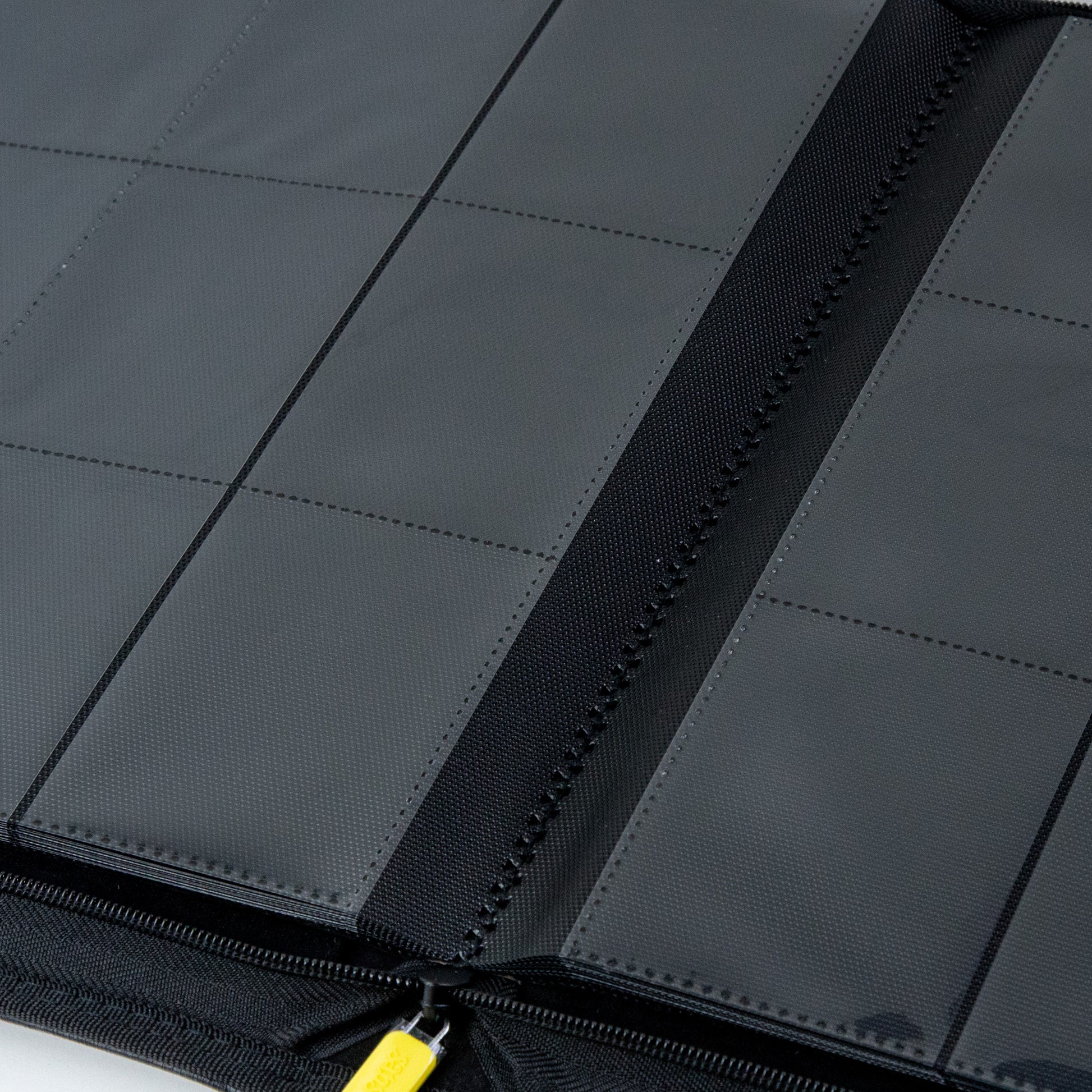
容量: 実質のコレクションを握るために造られる
| サイズ | ポケット | 寸法: | カートン |
|---|---|---|---|
| 4ポケット | 160 合計 | 244×195mm(9.6×7.7インチ) | キロワット |
| 9ポケット | 360 合計 | 348×260mm(13.7インチ×10.23インチ) | カートンのサイズ: 1.2 kg |
| 12ポケット | 480 合計 | 350×336mm(13.8×13.2インチ) | キロワット |
同じ酸なしPPポケット、同じ6層シェル、同じジッパーシステムを備えた3つのサイズは20両面ページを使用します。 標準はサイズに基づいて変更されません。
ジッパー: 密封された平均は密封しました
スナップクロージャと磁気フラップは、製造に高速です。 彼らは実際に密封されていない - 間違った角度とあなたのバインダーの圧力が開きます。
利用する高強度ラップアラウンドジッパーバインダーの三辺を囲むファスナー。防塵・耐湿仕様で、毎回しっかり閉じられます。バッグの中で立てても、テーブルに平置きしても、公共交通機関で揺れてもカードが動きにくい設計です。
実際にシールする唯一の閉鎖だから、ジッパーが選ばれました。 他にすべてが妥協です。
ロゴ: 刺繍される、それは最後まで持っているので
印刷されたロゴは皮をむきます。熱出版物は規則的な使用の数か月後に端で持ち上がることを移します。それはプロダクトが長寿のために造られなかった最も明確な信号の1つです。
ブラックグリッドバインダーのSansekingロゴはPUレザーに直接刺繍・・・1日中は2年で同じように見えます。小さなものですが、製品がどう思い浮かんだかをお伝えする小さめのもの。
これは、より高い標準は、好きなもの
デフォルトではより良いバージョンではありません。 まったく異なる質問セット。
PPが存在するとき、なぜPVCを使用していますか?6層が実際の問題を解決するときに2層のシェルがなぜですか?ジッパーが実際にシールするときのスナップクロージャはなぜですか?
ブラックグリッドバインダーは、すべての人に答えです。すべての材料は、意図的に選択したすべてのレイヤー、関数を持つすべてのデフォルトは、それが受け入れられる前に疑問に答えます。
私たちが構築している規格です。そして、コレクションが値するという基準です。